Sustainable development, in its simplest form, is a development model that aims to balance economic growth, environmental protection, and social equity while meeting the needs of the present without compromising the ability of future generations to meet their own needs.
In light of nearly 30 years of experience, ASAM conducts its sustainable development activities, based on the reality of the “climate crisis”, with a focus on poverty, access to food, education, skills development, employment, healthy living, sustainable cities, and rural development.
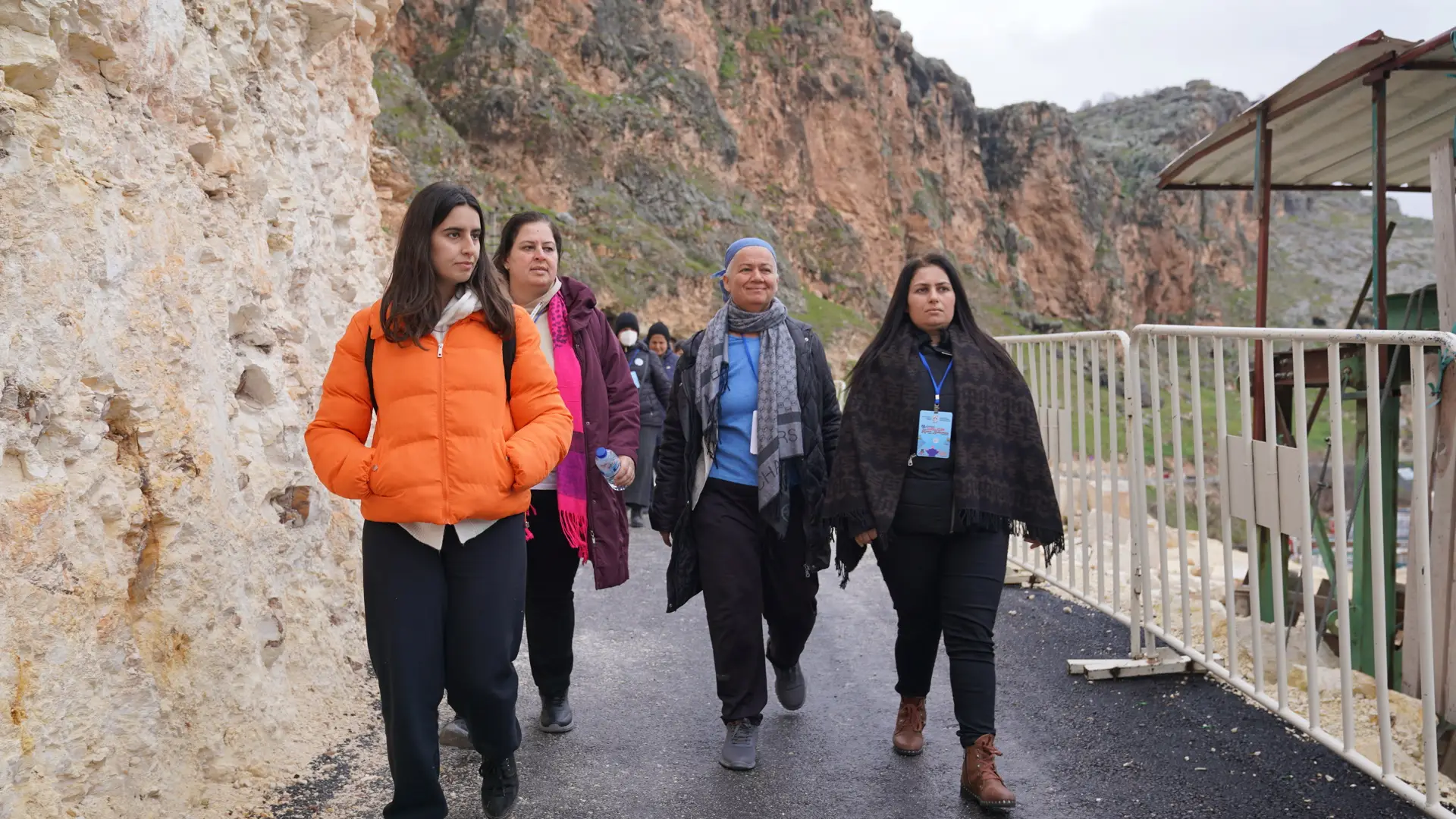
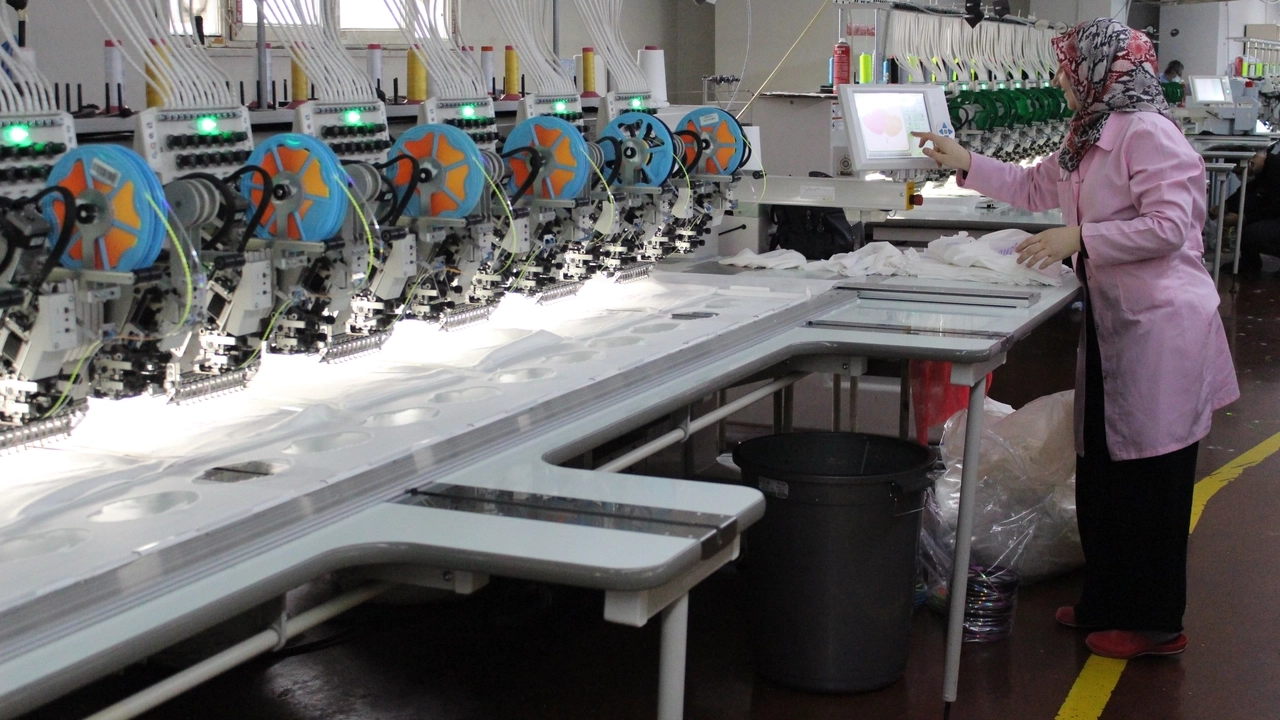
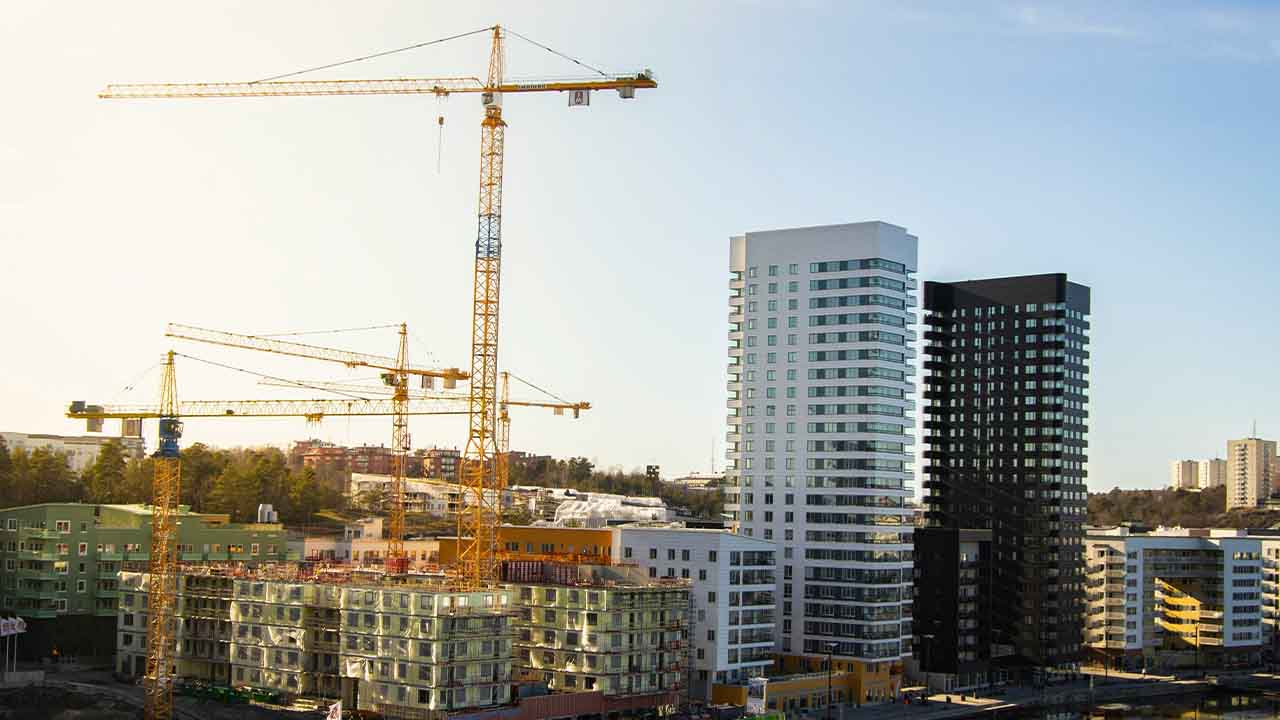
ASAM considers sustainable development not only as a goal, but also as a key strategy for building the future of communities. This strategy is implemented through concrete initiatives ranging from reducing poverty and environmental protection to education and healthcare. By offering concrete solutions as part of its efforts to combat poverty, including ensuring access to healthy and safe food, implementing school enrolment programs for engagement in education, building sustainable living spaces in the earthquake-affected regions, and providing skills development and employment opportunities, ASAM aims to make contributions in line with the SDGs.
Partnerships and an Inclusive Approach
Recognizing the importance of strategic partnerships in achieving SDGs, ASAM expands the scope of sustainable development projects through its collaborations with municipalities, non-governmental organizations, and national and international organizations.
ASAM is Building the Future
Leveraging its 30 years of experience, ASAM strives to extend SDGs to larger groups and develop more inclusive solutions. While doing so, gender equality and women empowerment remains at the core of all operations. Through all the other programs and interventions that ASAM conducts, ASAM ensures that the organization contributes to the SDG 5 and 10 through both individual level and structural changes in line with the ‘Leave-No-One-Behind’ principle. Through projects that support economic, social, spatial and environmental sustainability, it contributes to a more equitable, livable, and resilient future.